

It is no longer surprising that China likes to build tall buildings, and there are truly many landmark buildings in China worth naming, which we do not intend to discuss here. Stone curtain walls are currently a widely used exterior wall approach. We all know that back bolt stone curtain walls are much safer than slotted stone curtain walls, so how high does a stone curtain wall need to be before back bolt dry-hung cladding is required?
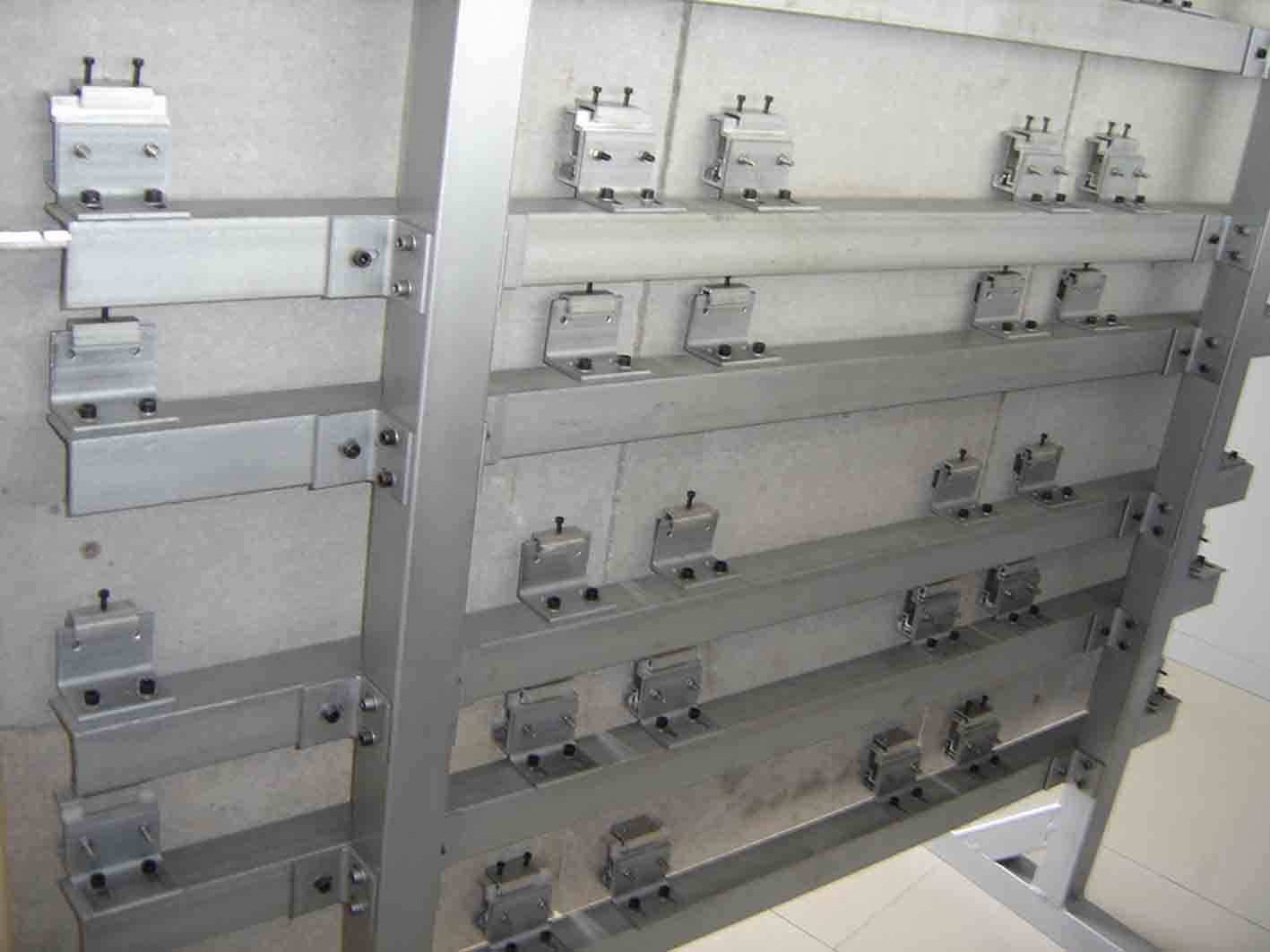
Figure 1. A back bolt stone curtain wall approach (image source: the internet; please contact for removal if infringing)
When the author went looking for relevant standards, he found that there are very few national standards currently in force in China regarding back bolts. At present, only JGJ133-2001 'Technical Code for Stone Curtain Wall Engineering and Explanation of Clauses' and GB/T21086-2007 'Building Curtain Walls' are in effect. These two standards themselves mention back bolts very rarely and are basically of no help for understanding back bolt stone curtain walls. Unfortunately, as far as the author knows, JGJ133-2013 'Technical Code for Metal and Stone Curtain Wall Engineering' made no further progress after the approval stage and has not been implemented even after five years. It might be the most detailed description of back bolts in curtain wall structures, but because it has not been implemented, it has lost its reference value, which is a great pity.
After consulting peers, the author learned that Article 3.5 of the Zhejiang local standard ZJSP16-2013-002 'Technical Requirements for Safety of Building Curtain Walls (Including Explanation of Clauses), New Regulation 4.1' stipulates:
The connection structure between the facing material and the supporting frame of a building curtain wall shall be safe and reliable. The connections between single inverted panels and multiple solid linear moldings of dry-hung stone curtain walls shall use anchoring techniques and shall not rely solely on adhesive bonding. Dry-hung stone curtain walls shall not use diagonal-insert pendants or T-type pendants.Stone curtain walls with a height exceeding 100 meters shall use back bolt connections.
The word used here is 'shall'. On the one hand, this affirms the advantages of back bolt stone curtain walls over other curtain wall approaches; on the other hand, it indicates that all relatively tall stone curtain walls should be constructed using back bolt dry-hung cladding. The back bolt stone curtain wall mentioned here also refers to framed back bolt stone curtain walls. In fact, the draft for approval of the unimplemented JGJ133-2013 'Technical Code for Metal and Stone Curtain Wall Engineering' also stipulated that 100m is the lower limit at which stone curtain walls should use back bolts. Although these standards are Zhejiang local standards, they are of considerable reference significance.It is believed that before long, new national standards related to back bolts will be introduced, which will also be of great significance to the popularization of back bolt stone curtain walls.
It is worth noting that this refers to stone curtain walls, not tile curtain walls. Tile curtain walls still pose considerable safety risks when used on high-rise buildings, due to the different types of back bolts used and the small embedment depth.Of course, the stone in such stone curtain walls should not be a special panel with low density or small thickness, such as travertine or cement fiber board; generally granite and marble are the most suitable.Stone curtain walls should be used with specialized stone back bolts. You can briefly learn how to select stone back bolts to gain a basic understanding of your project, or consult a back bolt manufacturer for corresponding assistance.