

After understanding the uses and classifications of back bolts, we also need to understand how different back bolts should be matched with aluminium alloy pendants. Aluminium alloy pendants are extruded through dies, which means they can be made into any desired shape. There are countless aluminium alloy pendant dies on the market (Daring alone has more than 500 sets of dies for curtain wall pendants), but a number of them are also used as industry-standard dies.
Hammer-in back bolts and anti-loosening back bolts use the same aluminium alloy pendants, while the aluminium alloy pendants used with screw-in back bolts are different from those two.
Generally, hammer-in back bolts and anti-loosening back bolts are used with flat ear pendants, male-and-female pendants (C-type pendants), and flat H-type pendants, of which the first two are more commonly used. The flat H-type can only be used on lightweight panels, and its load-bearing performance is inferior to that of the other two pendant types; however, since hammer-in back bolts and anti-loosening back bolts are themselves used to hang relatively thick stone, Daring basically does not supply this type of product in order to ensure project safety. The flat ear pendant is the most commonly used back bolt pendant; it is relatively inexpensive and offers good load-bearing performance, and it is also one of the highest-volume pendants supplied by Daring. When designing with flat ear pendants, designers need to consider the length of the back bolt threaded rod and ensure that, with more than 3 mm of the rod exposed, it does not obstruct installation of the matching angle brackets. The male-and-female pendant (C-type pendant) is the most expensive of the three pendant types and comes in two versions, with and without a cantilever. A cantilevered male-and-female pendant can be mounted directly on the angle steel without additional angle brackets, and male-and-female pendants are widely used in high-end projects.
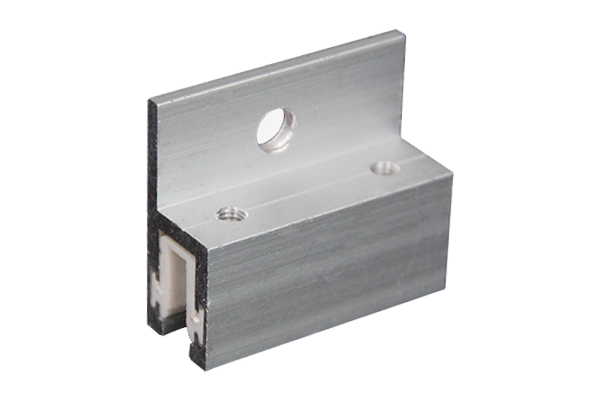
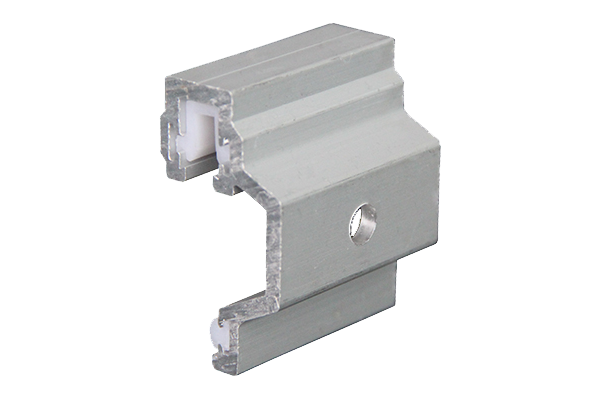
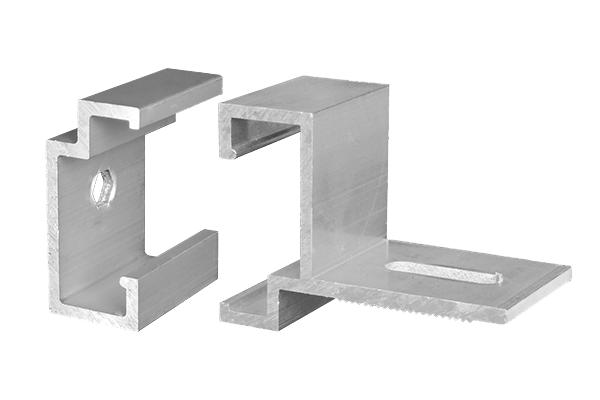
Figure 1. Pendants for hammer-in/anti-loosening back bolts (upper left: flat ear pendant; upper right: flat H-type pendant; bottom: cantilevered male-and-female pendant)
Screw-in back bolts are used with recessed ear pendants, recessed H-type pendants, and male-and-female pendants (C-type pendants), of which the recessed ear pendant is the most commonly used. Likewise, high-end projects may consider using male-and-female pendants.
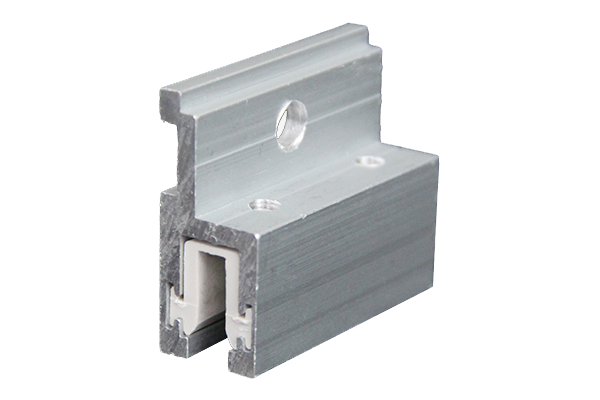
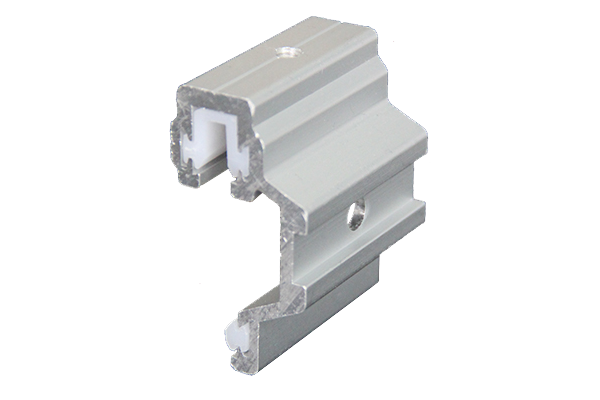
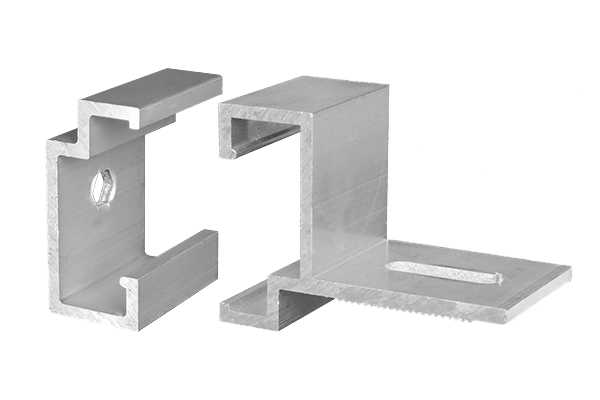
Figure 2. Pendants for screw-in back bolts (upper left: recessed ear pendant; upper right: recessed H-type pendant; bottom: cantilevered male-and-female pendant)
The author recommends that designers consult the back bolt manufacturer before selecting pendants; manufacturers understand these products better and have more experience in handling special conditions. Moreover, the pendants recommended by manufacturers are mostly standard, high-volume models, which offer significant advantages in both cost and safety, and purchasers can thereby avoid die-opening costs. Of course, aluminium prices are relatively transparent, so as a purchaser it is best to understand the market first and then, when selecting pendants, choose manufacturers you are familiar with. For example, the aluminium alloy pendants produced by Daring are all about 4 mm thick, which provides good safety performance. Some unscrupulous manufacturers use recycled aluminium as raw material in order to grab business; the resulting aluminium has insufficient strength and poses safety hazards.