

Since entering the Chinese market at the beginning of this century, the screw-in back bolt has faced numerous problems, and its overall usage has been declining year by year in recent years; well-known manufacturers that originally produced only screw-in back bolts have now been forced to transform and explore new business. So what problems does the screw-in back bolt actually face?
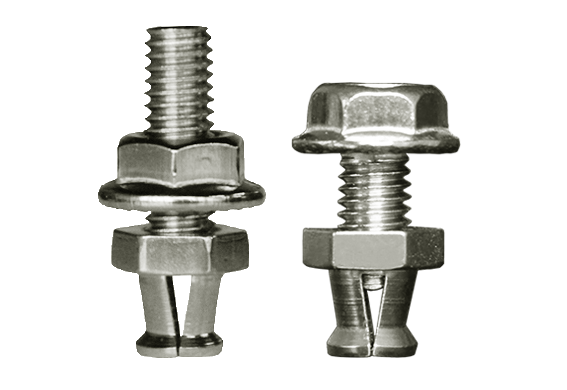
Figure 1 Screw-in back bolt
Screw-in back bolts offer poor value for money
Compared with hammer-in back bolts of the same size, screw-in back bolts cost 40%–50% more, and their production yield is lower as well. Apart from project quality, budgets are probably the main concern in engineering; if a product itself offers poor value, it will be avoided wherever possible, which makes it difficult for screw-in back bolt usage to grow.
Screw-in back bolts carry high risk
This title is by no means alarmist. If you are in the industry, you must be aware of many cases of exterior panels falling; if not, you can search online. The vast majority of panel fall incidents are caused by dry-hung systems using screw-in back bolts.
Screw-in back bolts require far greater drilling precision than hammer-in back bolts. Figure 1 shows the hole dimension drawings for an M6×15 screw-in back bolt and a hammer-in back bolt; a careful comparison reveals the difference. Moreover, no carelessness whatsoever is acceptable in the drilling depth of a screw-in back bolt: once the hole is 1 mm deeper than the standard depth, the anchoring fails and the mechanical locking effect is out of the question. In a pull-out test, the bolt is extracted without damaging the panel, which is undoubtedly very dangerous. How can acceptable drilling be ensured? Apart from having the supervision party monitor the entire process, there is probably no other good way. Construction workmanship is the biggest problem in China and also the hardest to solve: workers themselves do not understand the product, and combined with the pursuit of speed, the work naturally suffers.
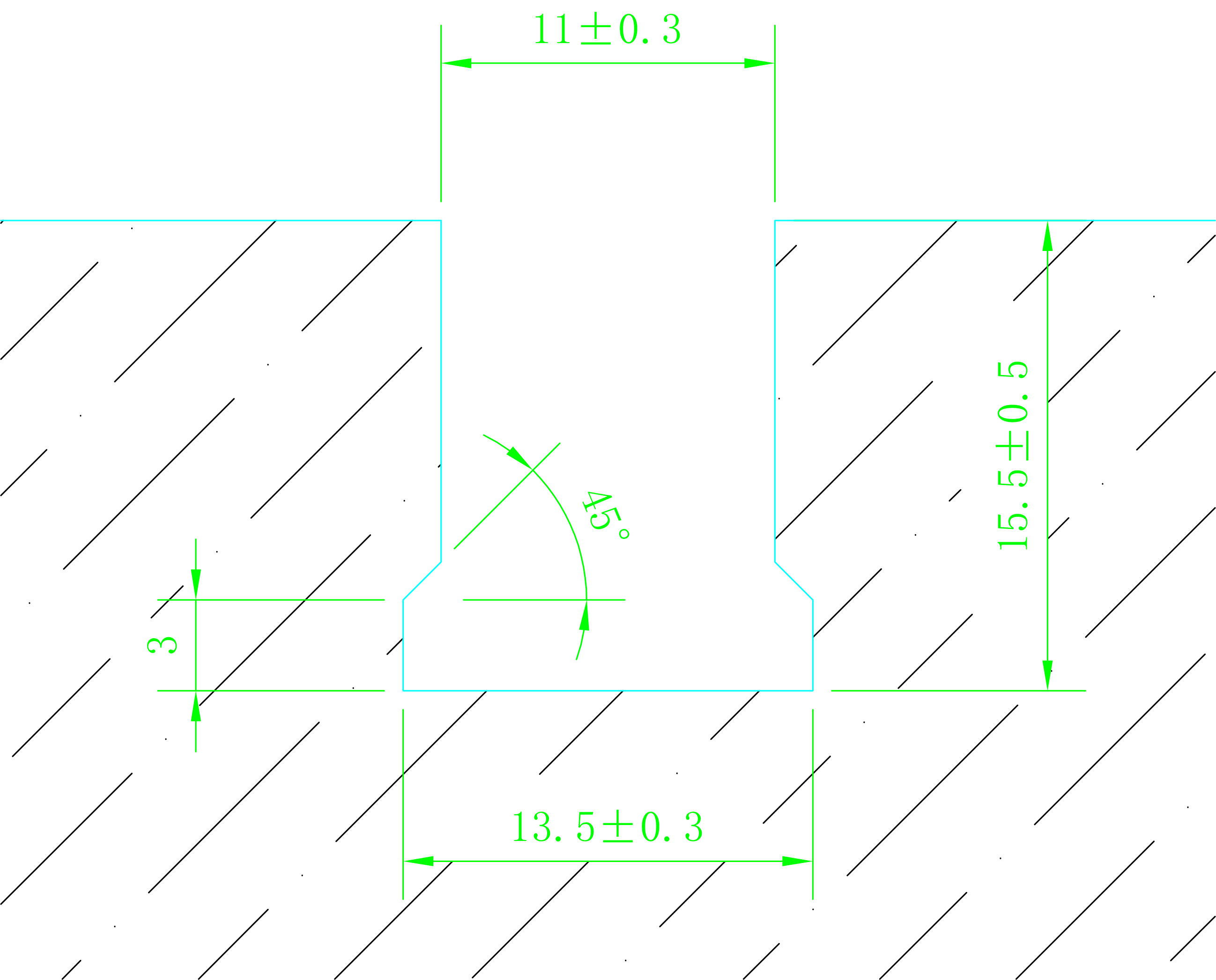
Figure 2 Screw-in back bolt hole dimensions
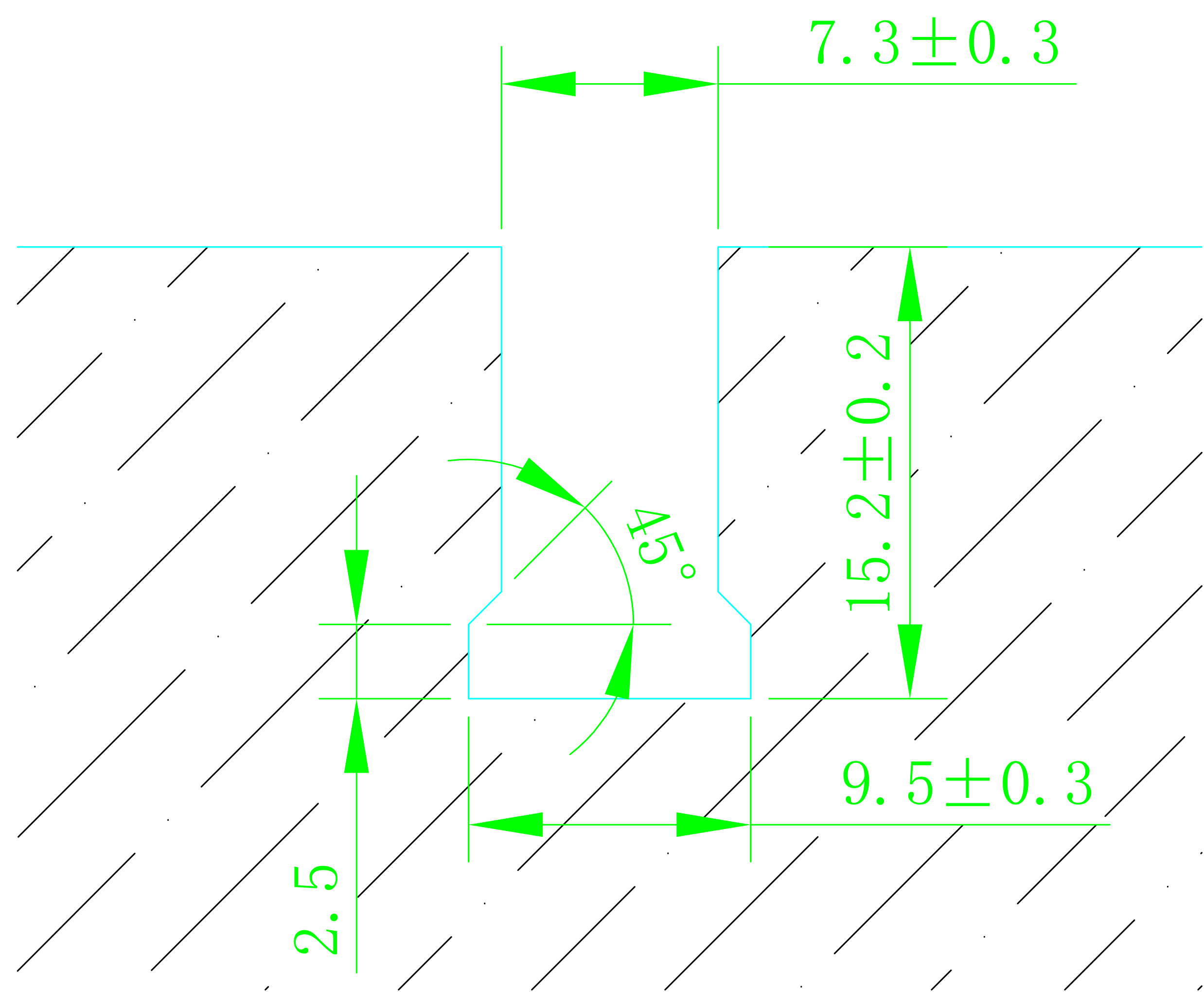
Figure 3 Hammer-in back bolt hole dimensions
Of course, poor workmanship cannot be blamed entirely on the workers; sometimes manufacturers must also take responsibility. The back bolt drill bit used for drilling is another important cause of drilling problems: the bit achieves undercutting through eccentricity, and some back bolt drilling machines require manual adjustment of the eccentricity during drilling, which is a considerable test for workers. Another type, the straight-drill machine, uses a brazed drill bit, which requires the angle between the bit blank and the bit head to be fixed and precise — something many manufacturers find difficult to achieve.
In addition, screw-in back bolts are more difficult to manufacture than hammer-in back bolts. Many domestic manufacturers produce substandard products, with problems such as inconsistent expansion segment thickness and outer diameters after expansion failing to meet requirements occurring again and again. Good processing plants are few in number, so prices are naturally higher; however, because shipment volumes are small, many such plants have switched to other products.
Declining use of thin panels in dry-hung curtain walls
Nowadays there are more and more new-type panels, which are lightweight and have an impressive appearance; these new panels will also account for half of the exterior dry-hung panel market in the future. With the emergence of these new panels, not only the thin-panel market (mostly ceramic tile) but also the stone market will be affected. The overall market decline will also lead to reduced use of screw-in back bolts.