

Chemical cartridges (resin) are an adhesive used together with high-strength chemical anchors. They have the advantages of fast curing and good load performance; once fully cured, chemical anchors perform better than most mechanical anchors, and they are relatively inexpensive. They are extremely widely used in curtain walls, mainly for fixing curtain walls, rail systems, bridges, machinery, and so on.
Generally, the chemical cartridges supplied by chemical anchor manufacturers are produced and sold immediately, and there is rarely undigested inventory sitting in a warehouse for more than a month, unless the business has serious problems. Projects also seldom purchase anchors in advance, since cash flow is more important to an enterprise—buying in advance means putting your own money into someone else's pocket earlier, which is not allowed for an enterprise, especially in the current economic downturn (today is October 18, 2018). In summary, few people consider the shelf life of chemical cartridges.
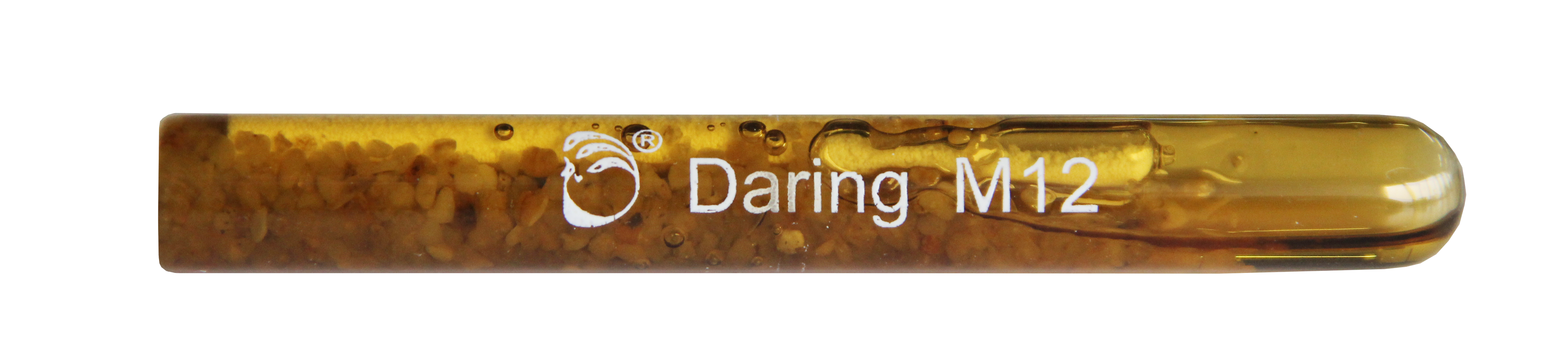
Figure 1. Chemical cartridge
But in practice, due to schedule changes or other reasons, chemical cartridges often cannot be used up quickly. The author has encountered several customers asking about this issue, so I consulted the company's technical department and received the following answer:
Daring chemical cartridges have a shelf life of 1 year when stored at 20℃ without direct sunlight.
However, such an excellent storage environment is rarely available, and chemical cartridges are even often stored in warehouses at 40℃ (in summer), so their shelf life is naturally greatly reduced.
So how can you determine whether a chemical cartridge has failed? The author believes the following methods can be used:
(1)Judging by the fluidity of the chemical cartridge resin. A failed chemical cartridge has very poor fluidity, or even no fluidity at all; such chemical resin basically falls into the failed category. If the fluidity is still relatively good, refer to item (2);
(2)Judging by tensile testing. Using the test report provided by the manufacturer, conduct sampling tensile tests on the chemical resin together with chemical anchors (randomly select more than 0.05% of the cartridges). If the results are basically consistent with the test report, the chemical cartridges can continue to be used. This method also applies to chemical cartridges that have just passed their shelf life when stored according to standard storage conditions; if there is no problem with load performance, cartridges just past their shelf life can still be used.